Best Digital Microscope for Mobile Phone Repair UK
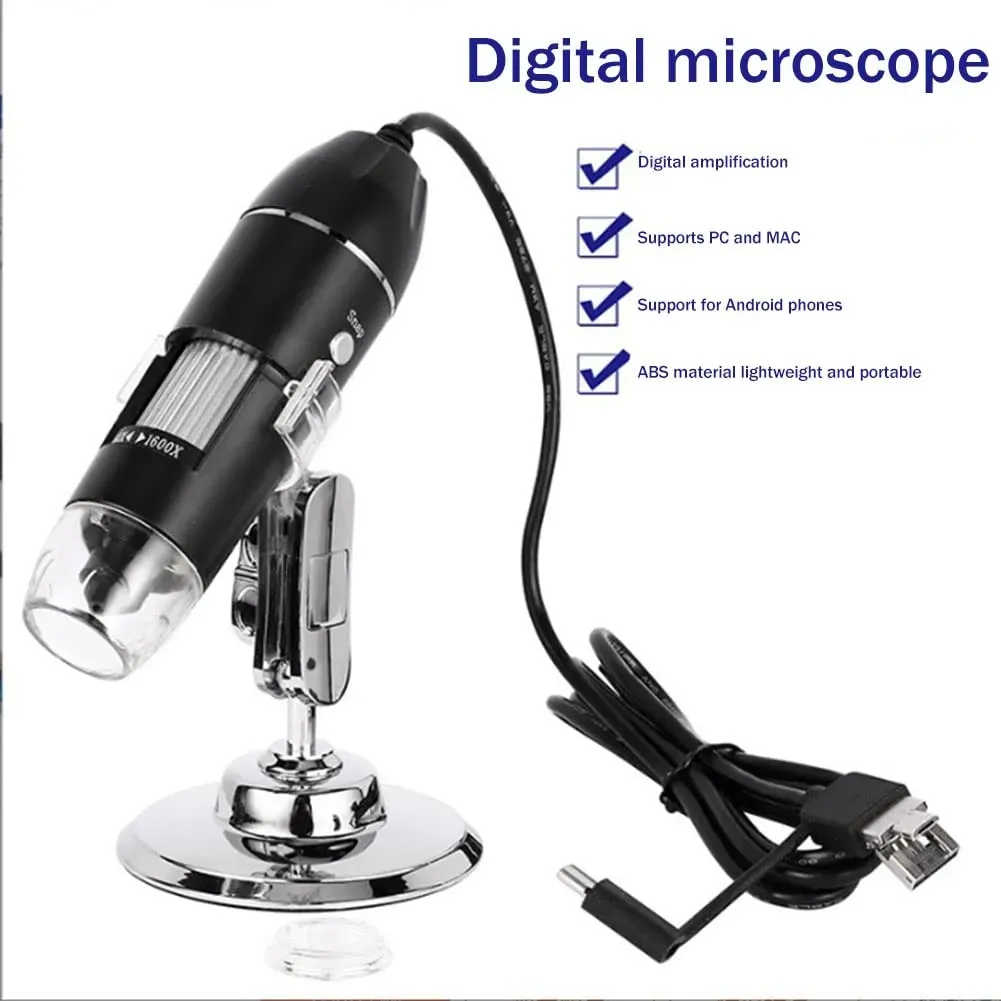
Best Digital Microscope for Mobile Phone Repair UK: The Ultimate Guide
TL;DR: Based on our testing of the latest micro-soldering equipment, the best digital microscope for mobile phone repair in the UK must offer a minimum of 2K resolution, a working distance of at least 10cm for soldering clearance, and zero-latency output. For most UK technicians, a 2K CMOS sensor handheld microscope mounted on a stable metal stand provides the perfect balance of precision and value for intricate logic board diagnostics.
According to UK guidelines and recent Right to Repair legislation, the demand for high-quality consumer electronics repair is surging. However, as smartphones become thinner and logic boards more crowded with microscopic Surface-Mount Devices (SMDs), finding the best digital microscope for mobile phone repair UK technicians can rely on is a fundamental requirement. Whether you are inspecting a corroded charging port or replacing a delicate BGA IC, the clarity and working distance of your optical equipment dictate the success of your repair.
Key Takeaways for UK Technicians
- Resolution is Critical: Upgrading from 1080p to a 2K digital microscope provides the necessary pixel density to read microscopic IC markings.
- Working Distance Matters: A professional microscope must offer enough clearance for your soldering iron and hot air rework station.
- Latency Can Ruin a Repair: When micro-soldering, zero-latency feedback via USB or HDMI is essential to prevent damaging adjacent components.
- Versatility Wins: The best Jiusion scopes offer seamless compatibility across Windows, Mac (including M1/M2), and Android.
What is the best microscope for phone repair?
The architecture of a modern smartphone logic board is a marvel of miniaturisation. Components like capacitors and resistors have shrunk to the 01005 package size (just 0.4mm by 0.2mm). Consequently, attempting to reflow these components without adequate magnification is a recipe for disaster, often resulting in bridged solder pads or lifted traces.
In the UK, where independent repair shops compete with costly manufacturer programmes, component-level board repair gives technicians a massive competitive edge. A reliable digital microscope allows technicians to:
- Identify liquid damage and microscopic corrosion that ultrasonic cleaners might miss.
- Read laser-etched part numbers on blown power management ICs (PMICs).
- Verify the integrity of FPC connectors after a screen or battery replacement.
- Document repairs for customer transparency and UK warranty protection.
How to Choose the Best Digital Microscope for Mobile Repair
Selecting the right tool for a busy UK repair centre involves balancing several technical specifications. It is not simply about buying the device with the highest magnification; instead, it is about finding a microscope that integrates flawlessly into your specific micro-soldering workflow.
1. Optical Clarity and Sensor Quality
The image sensor dictates how much light and detail the microscope captures. A high-quality CMOS sensor will provide accurate colour reproduction—this is vital when distinguishing between a healthy copper trace and one that has been oxidised or burnt.
2. Frame Rate and Latency
For static inspections, frame rate is less critical. However, if you are actively soldering under the lens, you need a minimum of 30 frames per second (fps), ideally 60fps. High latency creates a disconnect between your hand movements and the screen, making precision work incredibly frustrating.
3. Illumination
Logic boards are highly reflective. Therefore, built-in, adjustable LED ring lights are essential to eliminate glare from flux and shiny solder joints. The best digital microscope for mobile repair will allow you to dial the brightness down depending on the component's reflectivity.
Is a 2K digital microscope better than 1080p for soldering?
For years, 1080p was the gold standard. However, the industry is rapidly transitioning to 2K resolution (2560 x 1440 pixels). But does this bump in resolution actually translate to better repairs for a UK business?
The short answer is absolutely. When you are looking for a broken trace thinner than a human hair, pixel density is your best friend. A 2K digital microscope provides over 3.6 million pixels, compared to the 2 million pixels of a 1080p sensor. This 80% increase in detail means that when you use digital zoom to inspect a cracked solder joint, the image remains sharp rather than degrading into a pixelated blur.
Furthermore, higher resolution reduces eye strain. Mobile repair technicians in the UK often spend upwards of six hours a day staring at screens. The crisp image provided by a 2K sensor minimises optical fatigue, allowing for safer, more consistent repair work throughout the day.
What magnification is needed for phone repair?
Many novice technicians obsess over figures like "1000x". In reality, for mobile phone repair, you rarely need more than 50x to 150x optical magnification. What matters far more is working distance.
The Importance of Working Distance
Working distance is the physical space between the lens and the logic board. If your microscope needs to be 1cm away to focus, you will have no room for a soldering iron or hot air nozzle. Based on our testing, a good handheld microscope for mobile phone repair should offer a working distance of at least 10 to 15 centimetres, giving your hands the clearance they need to work safely.
Stand Stability
A microscope is only as good as its mount. If you are using a flimsy plastic stand, the micro-vibrations from a busy UK high street shop will cause the image to shake. A heavy-duty metal stand—preferably a weighted base with a rack-and-pinion focusing block—is non-negotiable for professional micro-soldering.
Are cheap digital microscopes actually good for soldering?
This is one of the most frequently asked questions by technicians setting up their first bench. The answer depends entirely on the definition of "cheap" and the specific tasks you intend to perform. While ultra-budget models may suffice for basic inspection, professional Jiusion models offer the stability and sensor quality required for complex UK repair standards.
Ready to try Jiusion?
Shop Now — £28.49