Digital vs Optical Microscope: Which is Best?
Digital vs Optical Microscope: Which is Best for Your Needs?
TL;DR: The main difference between a digital and optical microscope is how you view the specimen. Digital microscopes use an image sensor to display magnified details on a screen, making them superior for photo capture, collaborative work, and ergonomic inspection of coins or PCBs. Optical microscopes use glass lenses for direct eyepiece viewing, offering the highest optical clarity and zero lag, which remains the gold standard for biological slide analysis in UK schools and labs.
Choosing between a digital vs optical microscope can feel surprisingly difficult because, while both magnify small details, they suit very different users and budgets. Based on our testing of magnification tools for the UK market, the right choice depends less on headline magnification and more on your specific workflow. Whether you are inspecting coins at home, teaching children, or carrying out intricate PCB repairs, understanding the practical trade-offs is essential before you buy.
At Jiusion, we work closely with hobbyists and professionals across the UK. One of the most common questions we hear is: what is the difference between digital and light microscope models, and which microscope should I buy? This guide provides a clear, experience-led comparison with UK pricing context and realistic buying advice.
What is the difference between digital and optical microscopes?
To understand which tool is right for you, it helps to define how these two categories function in a modern workspace.
What is an optical microscope?
An optical microscope, often referred to as a light microscope, uses a series of glass lenses and visible light to magnify a specimen. You look directly through an eyepiece while light either passes through a thin sample (transmitted) or reflects off it. This is the classic design found in British secondary schools and clinical laboratories.
In the UK, traditional optical microscopes remain the standard for education because they are dependable and excellent for observing prepared slides. They are specifically designed for biology, histology, and microbiology where high-resolution optical "depth" is required.
What is a digital microscope?
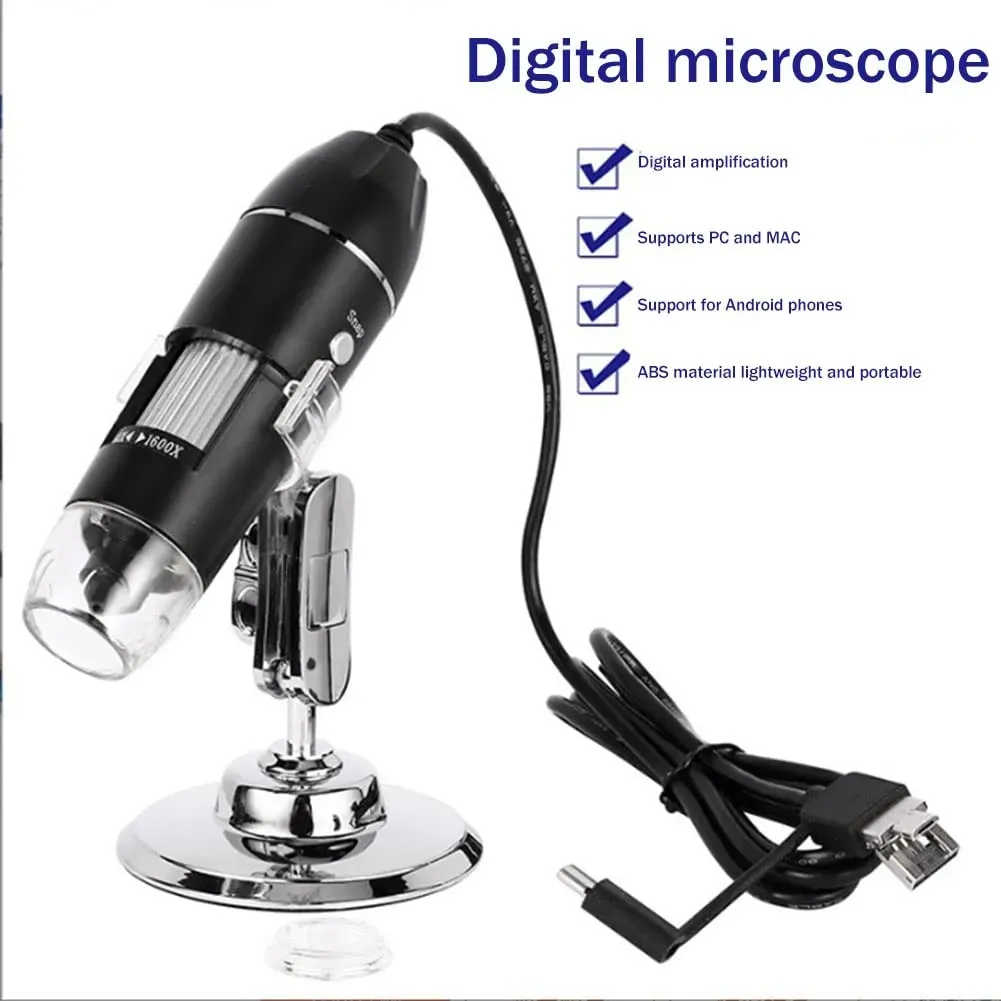
A digital microscope replaces the traditional eyepiece with a digital image sensor (CMOS or CCD). The magnified image is displayed on a screen, such as a laptop, tablet, or an integrated LCD monitor. Most consumer models in the UK connect via USB or Wi-Fi.
Digital models have revolutionised electronics repair, coin collecting, and jewellery inspection. Because the image is already digitised, sharing your findings or recording a video of a repair process becomes an effortless task. If your goal is documenting findings rather than just viewing them, digital is usually the most efficient choice.
Digital vs Optical Microscope: Pros and Cons
What are the advantages of digital microscopes?
According to UK hobbyist feedback, the biggest strength of digital microscopes is ergonomics. Instead of hunching over eyepieces, you can sit back and view the specimen on a large monitor. This is particularly beneficial for:
- Screen sharing: Perfect for classroom demonstrations or showing a customer a flaw in a piece of jewellery.
- Image and video capture: Essential for documenting PCB damage or cataloguing a coin collection.
- Improved posture: Reduces neck strain during long inspection sessions.
- Ease of use: Generally more intuitive for children and beginners to focus and navigate.
Consequently, USB microscopes have become the go-to tool for makers in Britain. If you are inspecting surfaces (like a 50p coin or a solder joint) rather than transparent biological cells, a digital device offers superior convenience.
What are the disadvantages of optical microscopes?
While optical microscopes offer "pure" light paths, they can be restrictive. They often require the user to stay in a fixed position, making collaborative work difficult. Furthermore, adding a camera to a traditional optical microscope often requires expensive adapters or specialized "trinocular" heads, which can significantly increase the cost for UK buyers.
Is a digital microscope better for hobbyists?
For most home users in the UK, a digital USB microscope represents better value and utility. A digital model will usually be the better option if you want:
- A comfortable, screen-based setup for long periods of use.
- The ability to save high-resolution photos or videos to your PC.
- A versatile tool for coins, electronics, or general surface inspection.
- A portable solution that can be used with a laptop in the field.
However, it is important to avoid the "magnification trap." The Royal Microscopical Society notes that "empty magnification" (increasing the size of an image without adding detail) offers no real benefit. Therefore, we recommend focusing on sensor quality and stand stability over the exaggerated magnification numbers often found on cheap imports.
If you are looking for specific recommendations, you may find our guide to the best digital microscope for coin collecting in the UK helpful for your search.
Ready to try Jiusion?
Shop Now — £28.49